We Made Our Own Disaster / Press room
We Made Our Own Disaster
Press room. Interview, reviews, cuttings, stills and downloads.
In 2010 a filmmaker and an electronic producer released a 66-minute film made entirely from footage nobody wanted. Training films, public information films, test commercials, NASA reels. Robin Mahoney and Si Begg passed it back and forth for years, cutting picture to sound and sound to picture. No script. No narrator. Somewhere along the way the discarded footage started arguing with itself about media, power and democracy. They called the result a study of fascism. Reviewers loved the music and the editing, and argued about the politics. It was always meant to start an argument.
Watch
Promo. The full film is available for screenings and festival programmes on request.
Release details
About the film
We Made Our Own Disaster is the debut audiovisual album from Robin Mahoney and Si Begg. It sits somewhere between a film, a music video and a record. It plays like an album. It watches like a documentary that has lost its narrator.
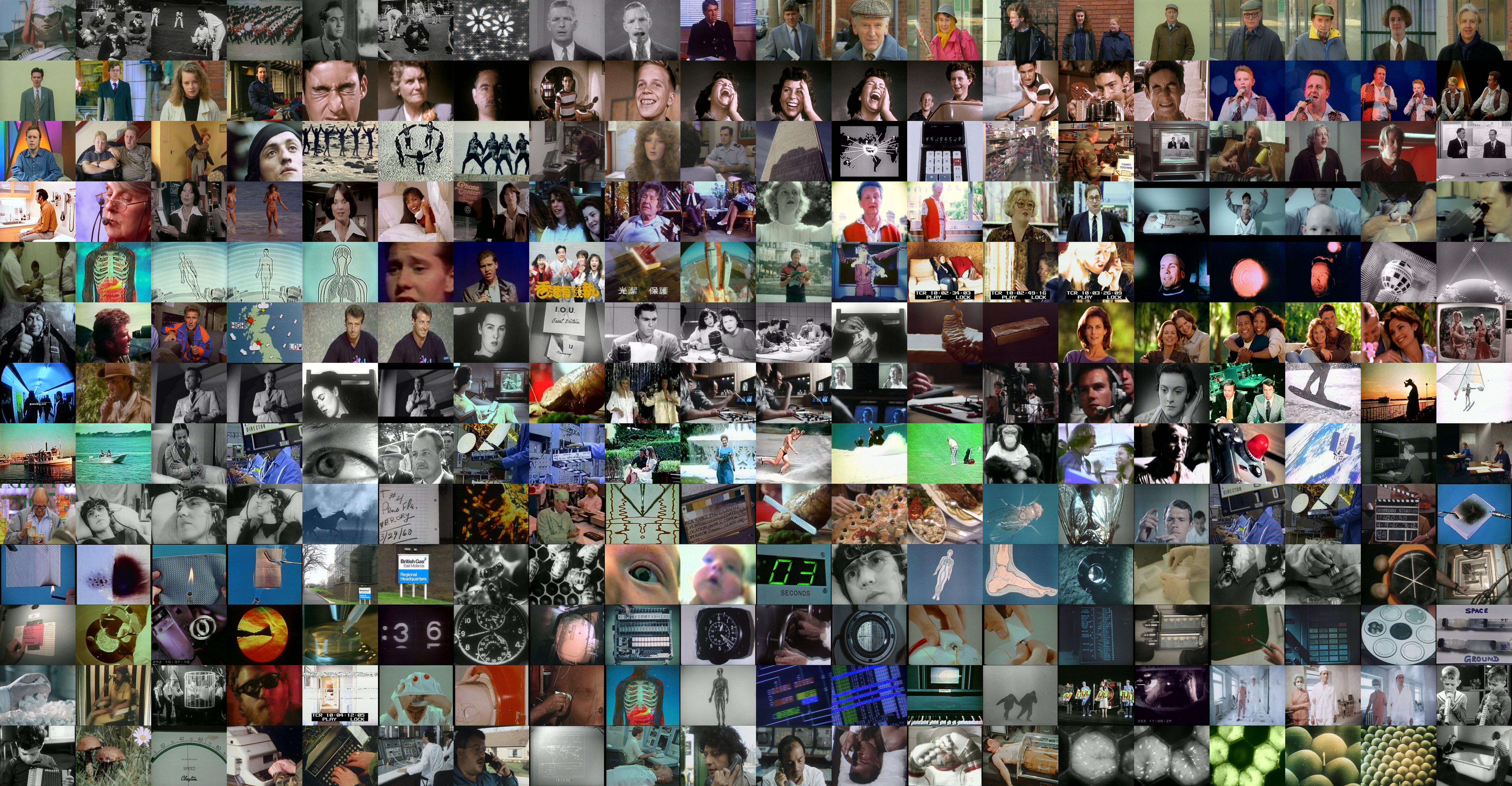
The footage spans six decades. There are crisp first-generation transfers of 35mm alongside VHS that has been copied too many times. Some pictures were pushed into blocky compression on purpose. Others have simply aged. The aim was to show a cross-section of everything an ordinary viewer might have watched in a lifetime: news, adverts, science lessons, cabaret, safety films, space.
Si Begg's soundtrack is built from the same material. He lifted dialogue from the clips and worked it into tracks that run from glitch and breakcore to clattering breakbeats and warped ambience. Voices become rhythm. Slogans repeat until they curdle.
The subtitle, A Study of Fascism in Late 20th Century Democracies, began as a joke. Mahoney had wanted to call the film Better Living Through Fascism. They worried people would miss the irony. So the idea became the subtitle, and the press notes were written as a mock academic abstract. At least one reviewer took it straight.
Mahoney's own description is the one that stuck: it is what television would see if it were dying, with its whole life flashing before its eyes.
How it was made
Ping-pong
The working method was simple. Mahoney would dig out a handful of clips from his collection of old media. Begg would take the audio, edit the dialogue and build a track around it. Mahoney would re-sync the picture and add new elements. Then it went back to Begg. Each sequence went back and forth until it worked. Nothing was planned in advance.
“Music plugs directly into the subconscious, bypassing the intellect. By completely integrating the ideas with the music and video and keeping them abstract, the intention is to have the audience feel the film before getting a chance to think about it.”
Robin Mahoney
Only what they could clear
Their earlier AV mixes sampled freely from film and television. This one could not. It had public money behind it and international distribution ahead of it, so every frame had to be licensed or in the public domain. That rule shaped everything. It is also why the film took so long.
Mahoney spent years hunting down lost and forgotten footage: NASA material, training films, public information films, out-of-copyright features, out-takes from test commercials, corporate and industrial films, 1950s military reels, and short dramas and documentaries made by himself and friends.
The footage chose them
A pattern emerged from material that, by its nature, had no perceived value. Most of it was propaganda of one kind or another, made to sell a product, a policy or a future. All of it had been thrown away. That alone said something about how quickly big ideas get discarded.
“Like the scene in Toy Story where all the broken toys emerge in the bad kid's bedroom, all the mangled and discarded bits of footage I found joined hands to tell their own story.”
Robin Mahoney
Timeline
- 1991Si Begg borrows a DAT machine, collects Robin Mahoney's four-track masters and returns a week later with an album built from them. Their first collaboration.
- 1990sMahoney's songs appear on releases from Begg's Noodles label.
- c. 2001The Complete Death of Cool gathers the best of the Noodles Foundation's Death of Cool compilations on the Leaf label: a double disc, music on one and a CD-ROM of QuickTime videos on the other. Mahoney's video work runs under the name Ho-FuN, billed as “The Smallest Film Festival In The World”.
- Early 2000sAddictive TV commission AV mixes from the pair for Mixmasters on ITV.
- 2003 to 2004Addictive TV sign the project to their new Optronica label. NESTA backs production. The pair switch to cleared and public domain footage only.
- 2005 and 2007Optronica festivals at BFI Southbank and the London IMAX, with the British Film Institute.
- September 2010DVD released on Optronica. First coverage in iDJ, Wicked Style (Italy) and Groove (Germany).
- 25 October 2010UK retail release through PIAS.
Interview: Robin Mahoney
Conducted by email for Groove magazine, Berlin, autumn 2010. Questions have been edited for clarity, since they were first written in German. The answers are Robin Mahoney's own.
- What led you to make this film? What is the main idea behind it?
-
About seven or eight years ago, under the name HoFuN, which was effectively the video arm of The Noodles Foundation, I was putting together a lot of AV mixes. Si's music featured pretty heavily on many of them. The guys at Addictive TV commissioned us to do a couple of mixes for a TV show they produced called Mixmasters. Then they got a budget together and commissioned us to do this project for DVD.
The idea was to fuse traditional “audio only” music with video and observational filmmaking to produce a kind of visual music, I suppose. But the piece ended up developing a mind of its own really. One thing they made very clear to us from the start was that, because the film had proper funding and was going to be distributed internationally, we had to make sure we didn't use copyrighted footage.
- How did your collaboration with Si Begg come about?
-
I've been friends with Si for a long time. I've always enjoyed what he's done with music and sound and he's been aware of my films. The first time I remember us collaborating was in 1991. He had borrowed a DAT machine off someone. They were pretty rare then. He showed up at my house and took all my four-track recording masters. A week later he came back with an album he'd made out of them all. Later he put some of my tunes on Noodles Foundation releases.
After that we collaborated on a dual disc of music and videos called The Complete Death of Cool, in around 2001. We got the bug for AV mixing and it has grown from there. We began to work on more integrated pieces, incorporating music, sound and live action film, producing stuff that wasn't exactly music, or music video, or film, but seemed to work.
We signed the deal for We Made Our Own Disaster with Addictive TV in something like 2004. At that point we changed direction and started sourcing material that we knew we had the rights to, or that was in the public domain. One reason it's taken so long is that it's not easy getting your hands on really good visual material when you're fishing around for video gems that aren't already owned. Our previous stuff had shots taken from all sorts of popular TV and feature films. With this project I had to find stuff I wasn't going to get sued for using.
- What was your approach? Did you cut the footage to the music, or did Si write the music to finished sequences?
-
I would unearth a handful of lost relics from my collection of dusty media. Si would edit the dialogue and mix it with his music. I would then re-sync the picture and add a few more elements, which would then go back to Si, and so on until we'd nailed it and had to start something new. The piece grew from scratch without any plan or script.
Music is an abstract form. The ideas and images you get in your head when listening to it come from a deep place in the mind. It plugs directly into the subconscious, bypassing the intellect. That's what makes it such a potent medium. This is much more difficult to do with film. Most film and TV comes from the literary tradition. The ideas and messages are verbal, written down and spoken, so the first thing an audience uses is their conscious cognitive processes. We use a different part of the brain to process that kind of information. By completely integrating the ideas with the music and video, and keeping them abstract, the intention is to have the audience feel the film before getting a chance to think about it.
- How did you choose the footage, and where did it come from?
-
We received production money from NESTA, the National Endowment for Science, Technology and the Arts. They are publicly funded and put money into innovative projects in the UK. With all the previous AV work I'd done, little regard was given to the copyright position of the original material I was messing with. But since we were now playing with real money, we were forced to use material we had either licensed or that was in the public domain. So much time was spent hunting down and giving love to lost and forgotten film and TV.
I used NASA footage, training films, public information films, out-of-copyright feature films, out-takes from test commercials, corporate and industrial films, and short dramas and documentaries by myself and friends. A pattern started to develop amongst this material that, by its nature, had no perceived value. It's almost like it started to form its own manifesto. There was an overriding theme developing from the material itself. We didn't deliberately set out to point a finger at society, democracy and the media. It's almost like the footage did it for us.
Like the scene in Toy Story where all the crippled, broken toys emerge in the bad kid's bedroom, all the mangled and discarded bits of footage I found joined hands to tell their own story.
I remember reading about the history of art photography. Some academics argue that photography has no great artists, and that it is the medium of photography itself that is the artist. This is borne out if you look at what are considered the top hundred photographs of all time. Not one of them was produced by an “art” photographer. The images come from what is called vernacular photography. None of them were made by someone intending to make art. They come from journalistic, amateur, corporate, medical and science photography. It seems to me that it was our material that chose us.
- The subtitle is “A Study of Fascism in Late 20th Century Democracies”. Is “fascism” meant literally, or as a metaphor?
-
Fascism is a very emotive word and has become very hard to define. If you put aside the bigotry and genocide we usually associate it with, it actually has its roots in modern liberal thinking. Before the Second World War it was championed by the left. And current left-leaning governments and political parties have a lot more in common with fascism than they do with democracy. It's a complex area. A bit too much for my brain to deal with, but worth trying.
On reflection, maybe the word should have been “corporatism”: the idea that governments don't make important decisions about the direction of society without first consulting various vested interests. At one point I suggested to Si that we call the film Better Living Through Fascism, but we thought people might not get the joke, so we turned that idea into a subtitle.
The subtitle emerged from a reflection on what kinds of messages were being given out by the source films we were using. They were mostly propagandist in nature. The fact that they had been discarded, and were so easy for us to pick up and rework, showed how quickly big ideas are discarded and forgotten by the powers that be.
- What effect has the post-war media takeover had on democracy?
-
That's a huge question. Marketing, media and politics are so intertwined I wouldn't know where to start. But if you look at how much of the media is owned by the Murdochs of this world, you get an indication of how crazy it is. In the UK, the main tabloid newspaper, The Sun, has aggressively backed a candidate for prime minister at general elections for as long as I can remember. And every time, their choice has won. Says it all really.
- A lot of the footage looks heavily compressed and washed out. What was the thinking behind that?
-
Some material was intentionally given compression artefacts, blocky pictures and so on, for stylistic reasons, and some is degraded just because it's old. But we also have crisp first-generation transfers of 35mm material in there. It's a complete mix of formats and styles. There is material in there that was originated as far back as the 1930s.
If there was any thought behind the approach, it was to present as wide a cross-section as possible of all the types of visual media an average person would have witnessed in their life. I had a thought while making it that what we were doing was a bit like what television would see if it were dying and its life was flashing before its eyes.
Si Begg on the film
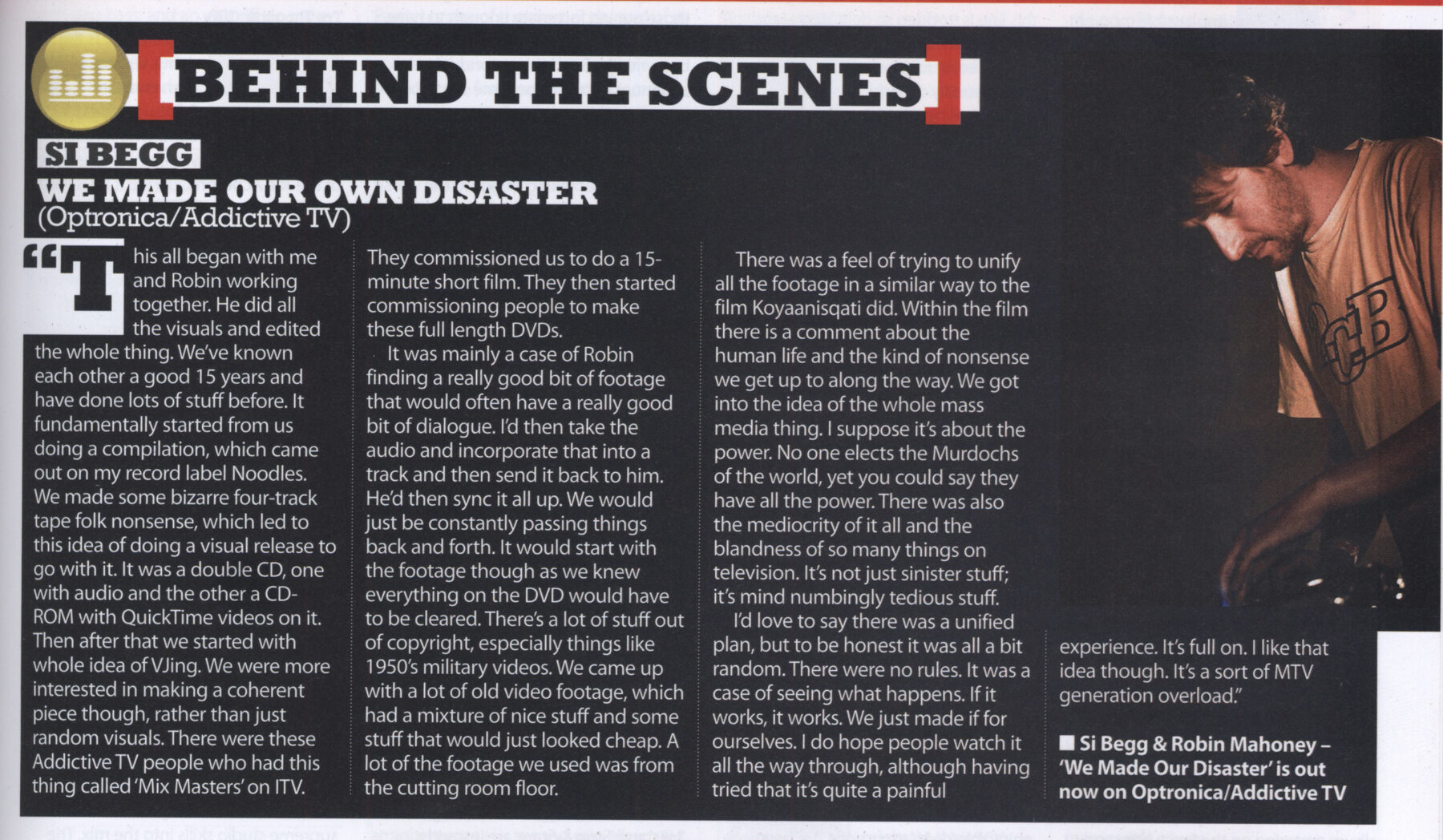
Si Begg told his side of the story to iDJ for its Behind the Scenes slot in September 2010. He traces the project back to a Noodles compilation of “bizarre four-track tape folk nonsense”, and an Addictive TV commission for a 15-minute short that grew into a feature.
“No one elects the Murdochs of the world, yet you could say they have all the power.”
Si Begg, iDJ
“It's not just sinister stuff; it's mind numbingly tedious stuff.”
Si Begg, iDJ, on the blandness of so much television
“It's a sort of MTV generation overload.”
Si Begg, iDJ
Quotes
“Like an Adam Curtis documentary remixed by Llamasoft.”
DVD Times
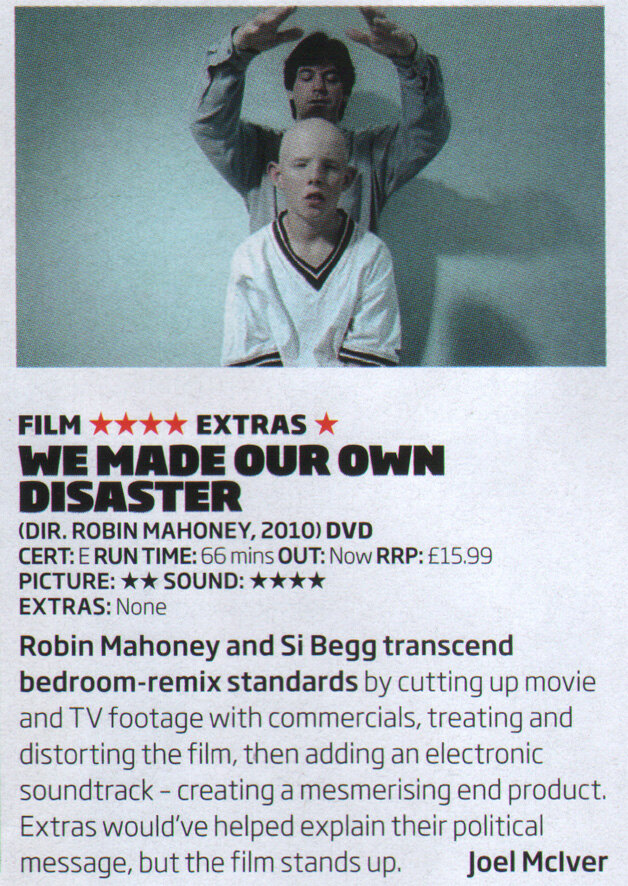
“Robin Mahoney and Si Begg transcend bedroom-remix standards… creating a mesmerising end product.”
Joel McIver, DVD & Blu-ray Review ★★★★
“A revealing document that cleverly ties together the media madness of postmodernity and the conditions of Western democracy.”
„Ein entlarvendes Dokument, das den medialen Wahnsinn der Postmoderne und die Konditionen der westlichen Demokratie geschickt zusammendenkt.“
Groove, Germany
“Visually… at times stunning and gripping.”
Steven Fanning, Subba Culture, 7/10
“A notch above many of the video mixtapes now abundant online. You don't get to be veterans of collage without learning a few tricks.”
Skynoise, Australia
“The music is pretty much spot on throughout.”
Drew Bass, Total Music
“A happy marriage of sonic and visual hyperbole.”
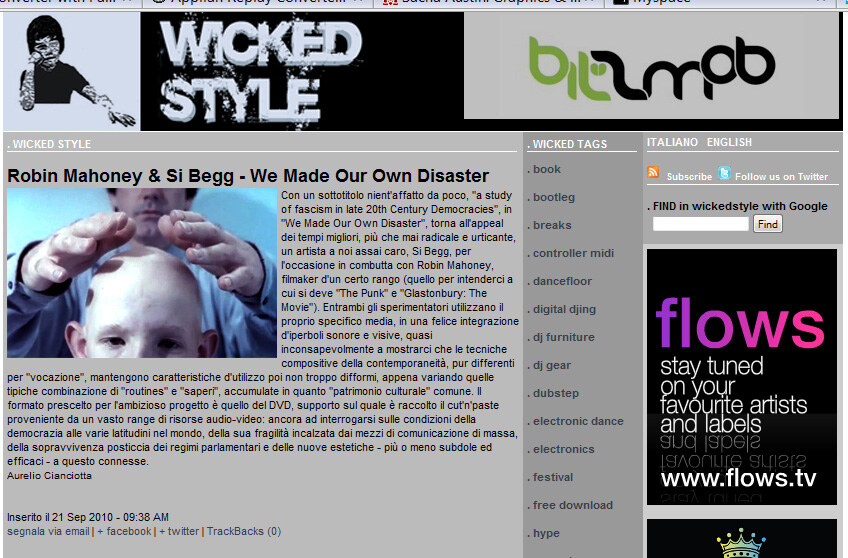
“Una felice integrazione d'iperboli sonore e visive.”
Aurelio Cianciotta, Wicked Style, Italy
“Movie is unbelievable and music is killa man.”
Freddy Fresh
Reviews and coverage
DVD & Blu-ray Review
A four-star verdict on the film itself. McIver praised the way the pair cut up film, television and commercials, treated and distorted the footage and scored it, calling the result mesmerising. His one reservation was the bare disc: extras, he wrote, would have helped explain the political message. “But the film stands up.”
DVD Times
Gave the release its best-known line, used on the 2010 one-sheet: “Like an Adam Curtis documentary remixed by Llamasoft.”
Groove
The Berlin electronic music magazine treated the film as a serious piece of media criticism. See the translation notes below.
iDJ
A first-person account from Si Begg on how the project started and how the two worked. See Si Begg on the film.
Total Music
Placed the film alongside Coldcut and Addictive TV, where the music is part of the visual process rather than added later, and compared Begg's beats to Aphex Twin. Bass questioned whether the political points always landed, but found plenty of humour in the pairing of images and samples, especially the old black and white footage. “Expect to see much more of this sort of thing in the near future.”
Subba Culture
Found the film bleak, stark and deliberately unsettling, with Begg's “jagged, edgy soundtrack” moving with the pictures. Fanning saw it as closer to a lesson than entertainment, a film that asks for concentration rather than a lazy eye.
Skynoise
The most detailed review. It traced the pair back to the Noodles Foundation's Death of Cool series and Ho-FuN's “Smallest Film Festival In The World”. It praised the curatorial judgement, the “captivating sonic and visual transitions” and the dry British humour. It singled out a TV cabaret clip loop-stretched into a cat spinning in zero gravity, and a series of everyday people staring awkwardly into the camera. Its verdict on the politics was cheerful: “more Ali G than Adam Curtis”, “more Nom Nom than Noam”.
Wicked Style
An Italian electronic music site that greeted Begg's return “more radical and stinging than ever” and took the film's democratic theme at face value. See the translation notes.
International press, translated
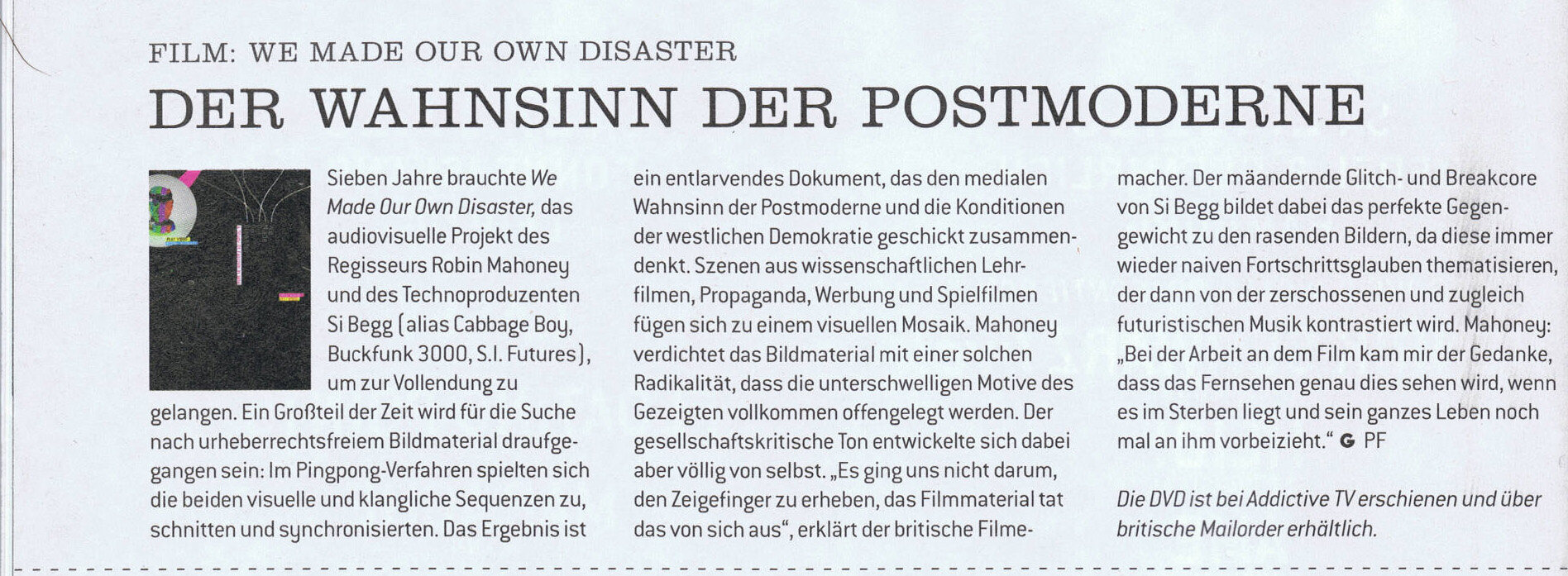
Groove, Germany: “Der Wahnsinn der Postmoderne”
Groove noted that the film took seven years to finish, much of it spent hunting for copyright-free footage. It described the pair passing sequences back and forth “im Pingpong-Verfahren”, in a ping-pong process. Scenes from science teaching films, propaganda, advertising and features form “a visual mosaic”. Mahoney, it said, compresses the footage so radically that its hidden motifs are laid bare. Begg's “meandering glitch and breakcore” is “the perfect counterweight to the racing images”, setting their naive faith in progress against music that is “shattered and futuristic at once”.
“We weren't out to wag a finger. The footage did that on its own.”
„Es ging uns nicht darum, den Zeigefinger zu erheben, das Filmmaterial tat das von sich aus.“
Robin Mahoney, in Groove
“While working on the film it struck me that this is exactly what television will see when it is dying and its whole life passes before it one more time.”
„Bei der Arbeit an dem Film kam mir der Gedanke, dass das Fernsehen genau dies sehen wird, wenn es im Sterben liegt und sein ganzes Leben noch mal an ihm vorbeizieht.“
Robin Mahoney, in Groove
A note on translation. Mahoney's English line was conditional: what television would see if it were dying. Groove's German made it a prophecy: what television will see when it is dying. Sixteen years on, the German reads the better of the two.
Wicked Style, Italy
Aurelio Cianciotta opened on the subtitle, “nient'affatto da poco”, no small thing, and welcomed Begg back “in combutta”, in cahoots, with Mahoney, “a filmmaker of some standing” behind The Punk and Glastonbury: The Movie. He heard two experimenters each using their own medium in “a happy marriage of sonic and visual hyperbole”. He read the DVD as a cut'n'paste inquiry into the conditions of democracy around the world: its fragility under pressure from the mass media, and “the sham survival of parliamentary regimes”.
That last phrase echoes the mock academic abstract in the original press pack, which spoke of “the final survival or breakdown of parliamentary regimes”. The joke reached Italy intact, and was taken seriously.
Press cuttings
Stills
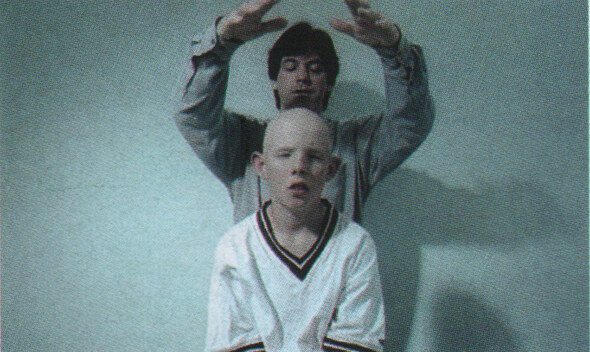
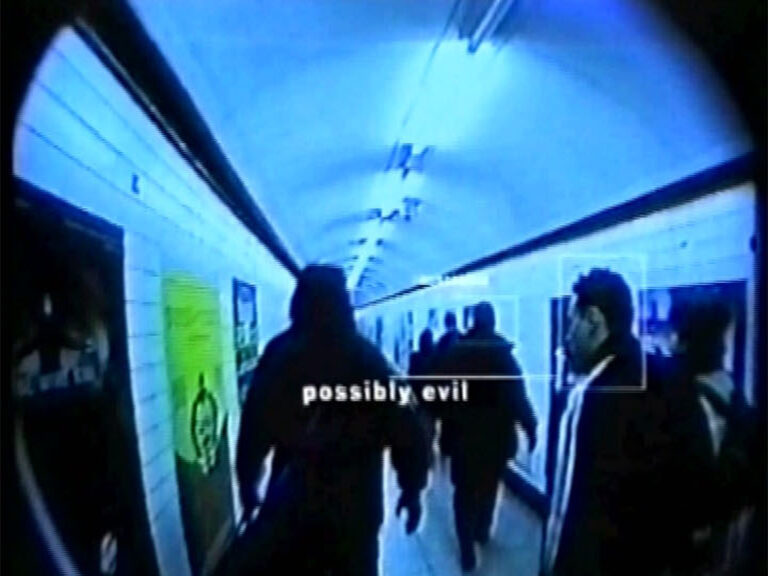
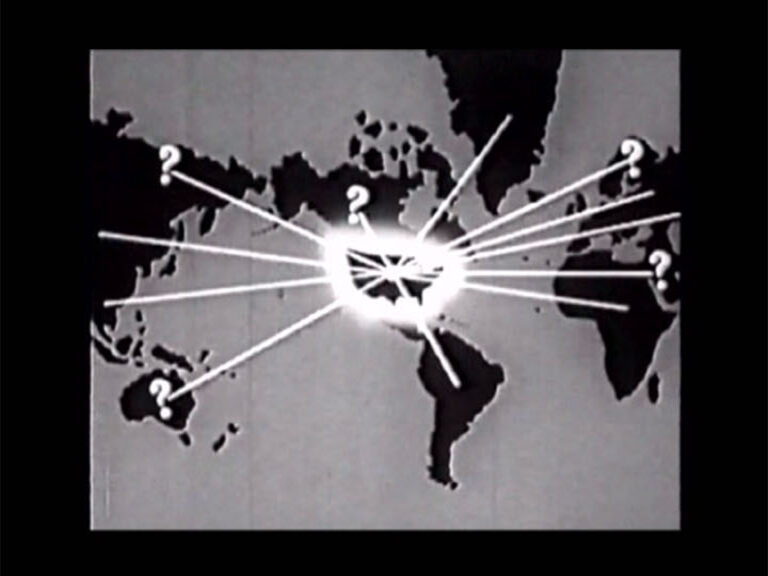
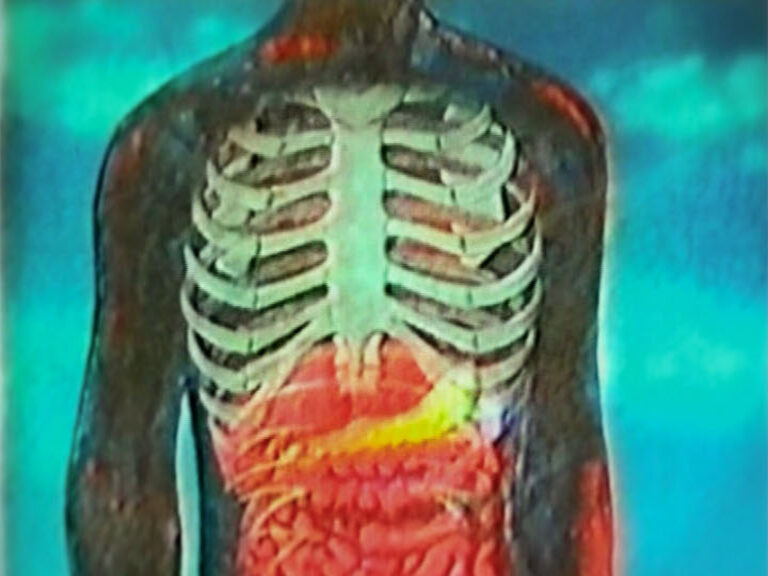
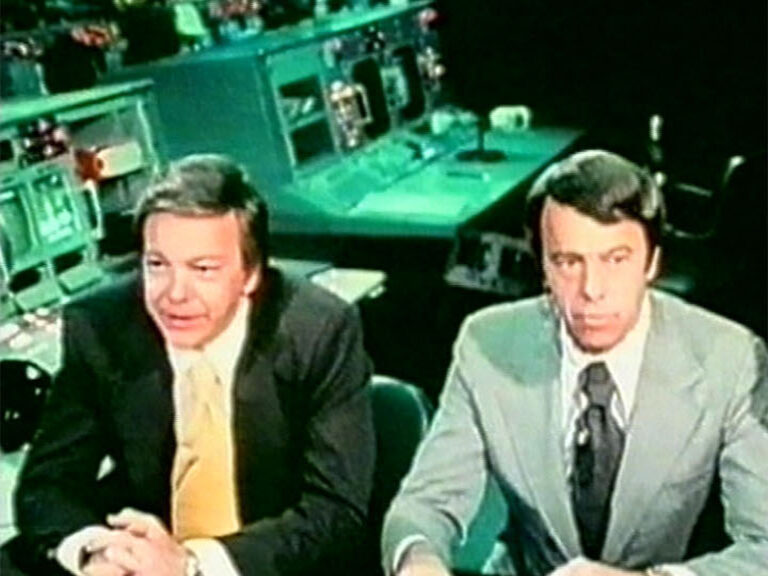
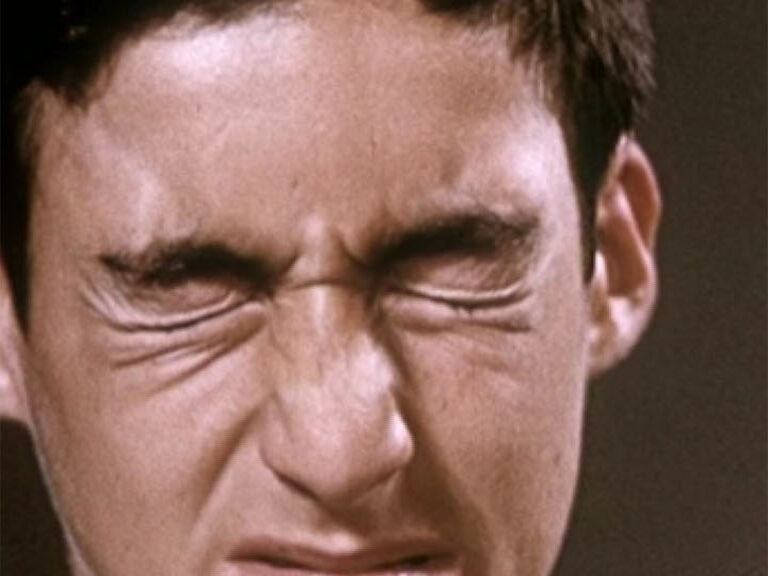
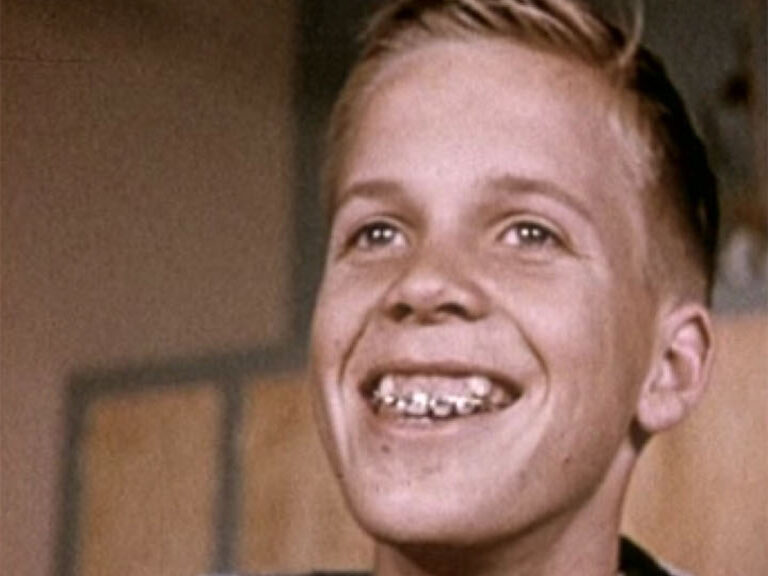
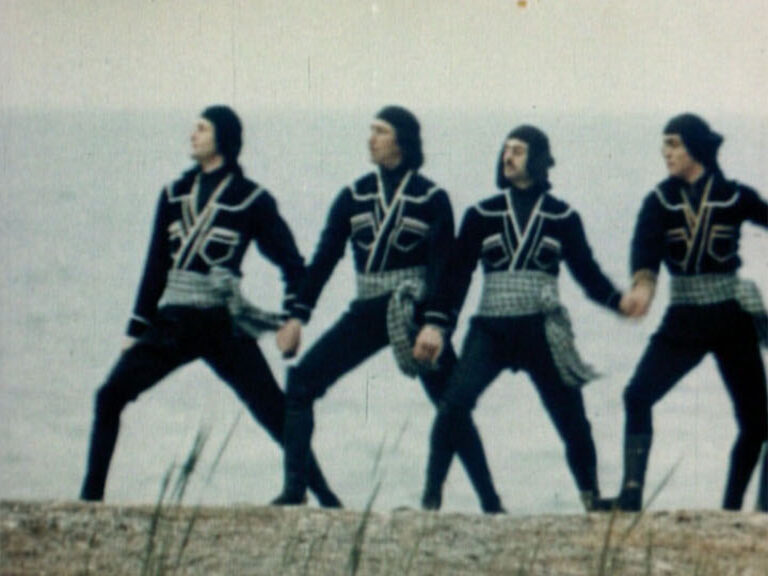
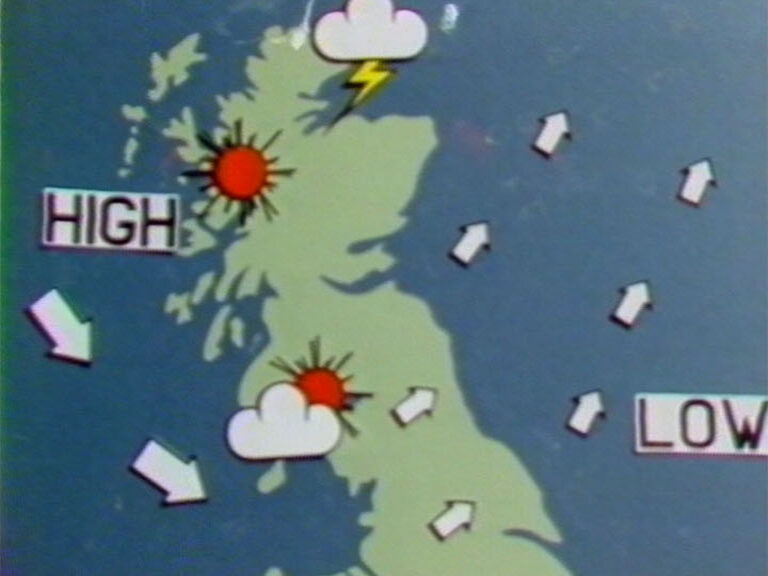
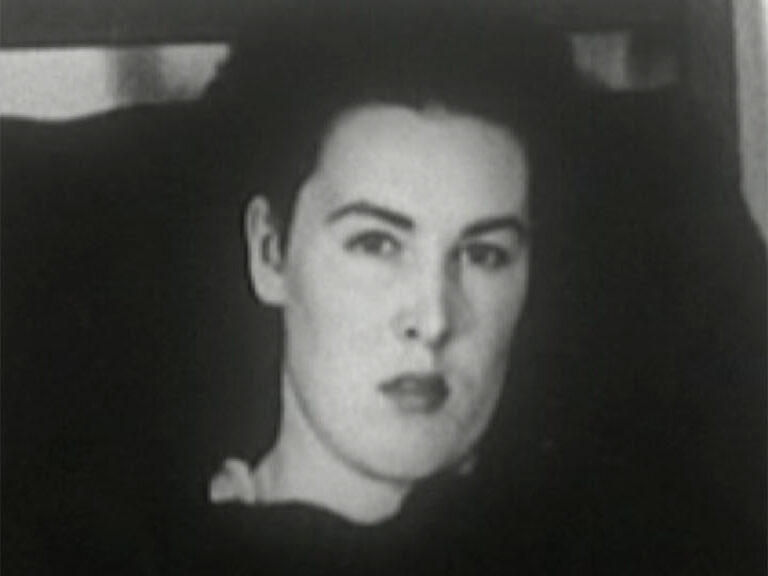
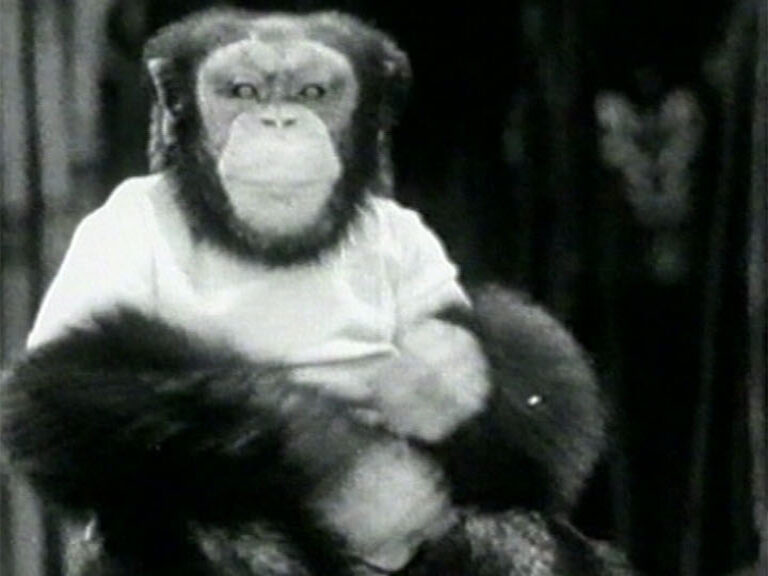
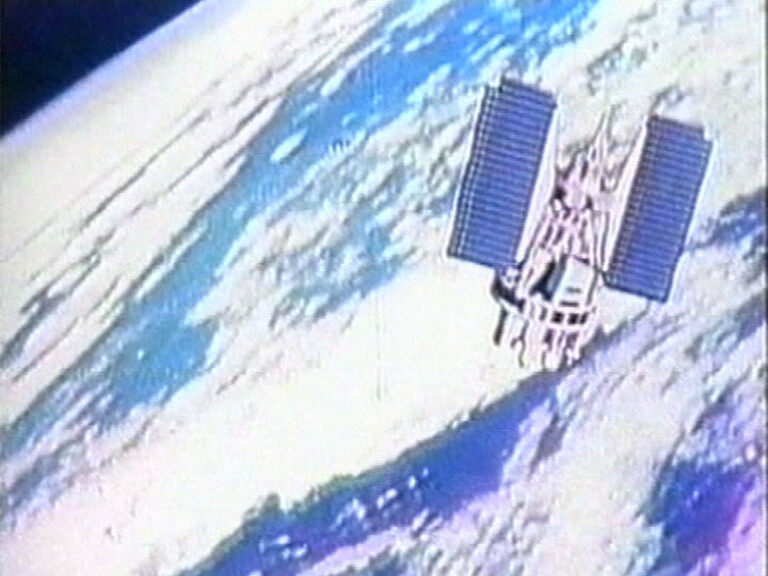
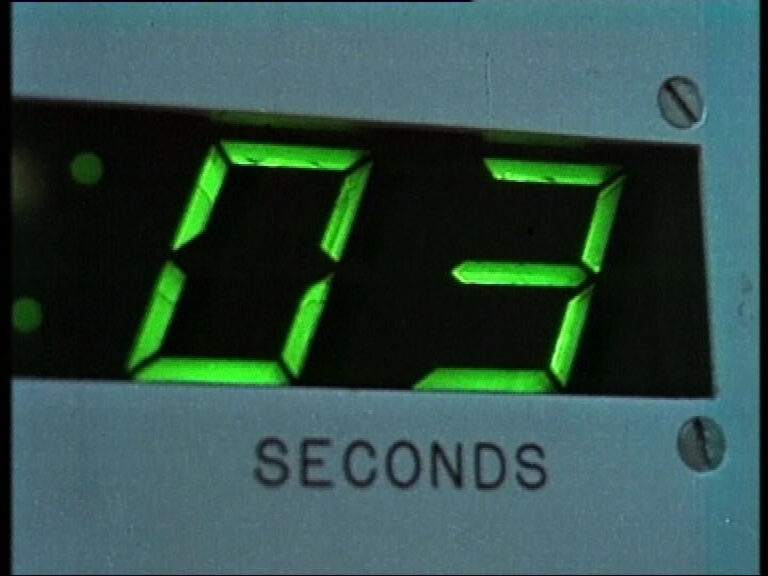
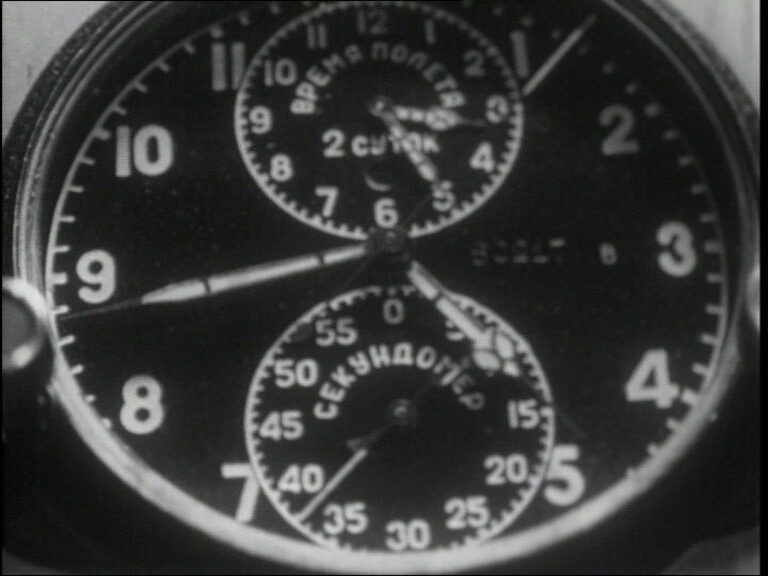
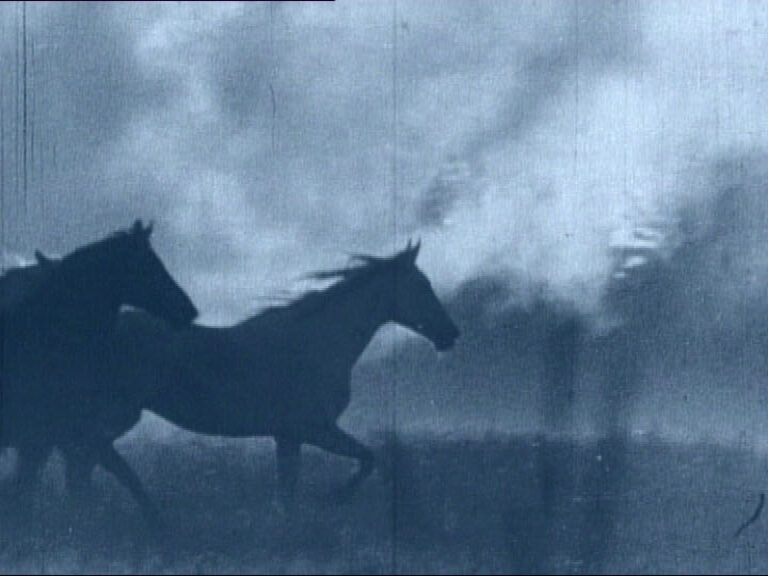
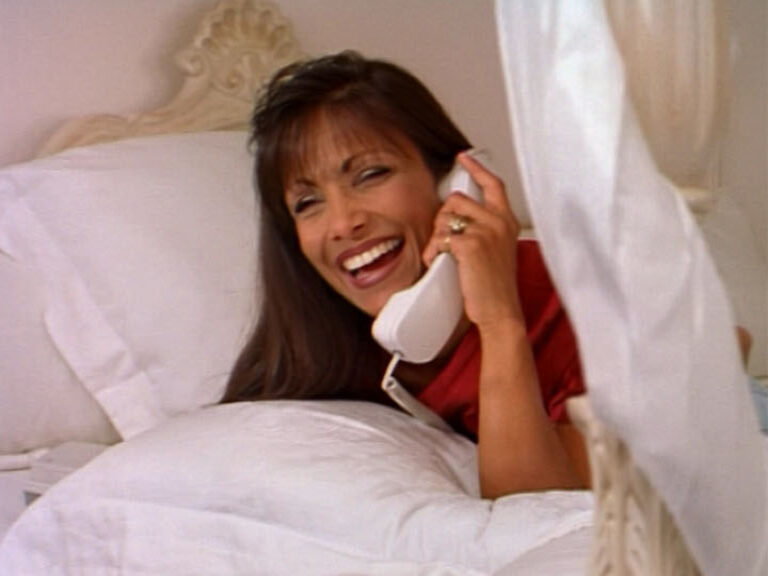
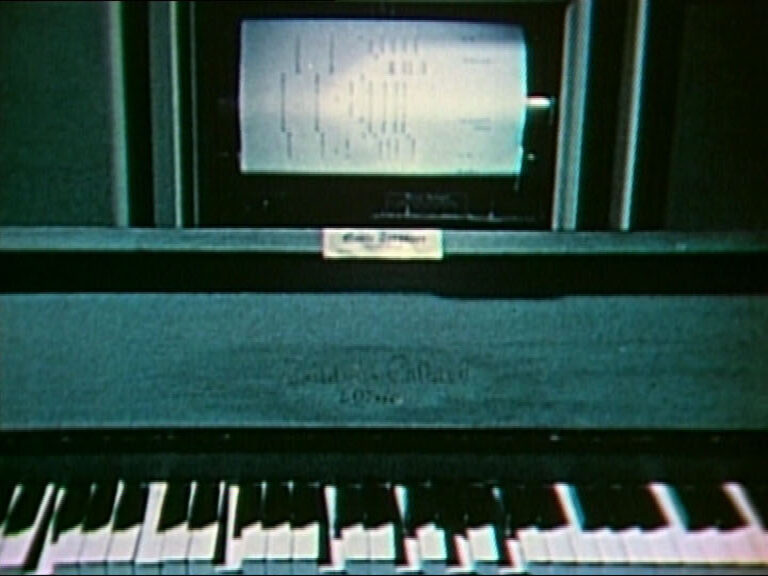
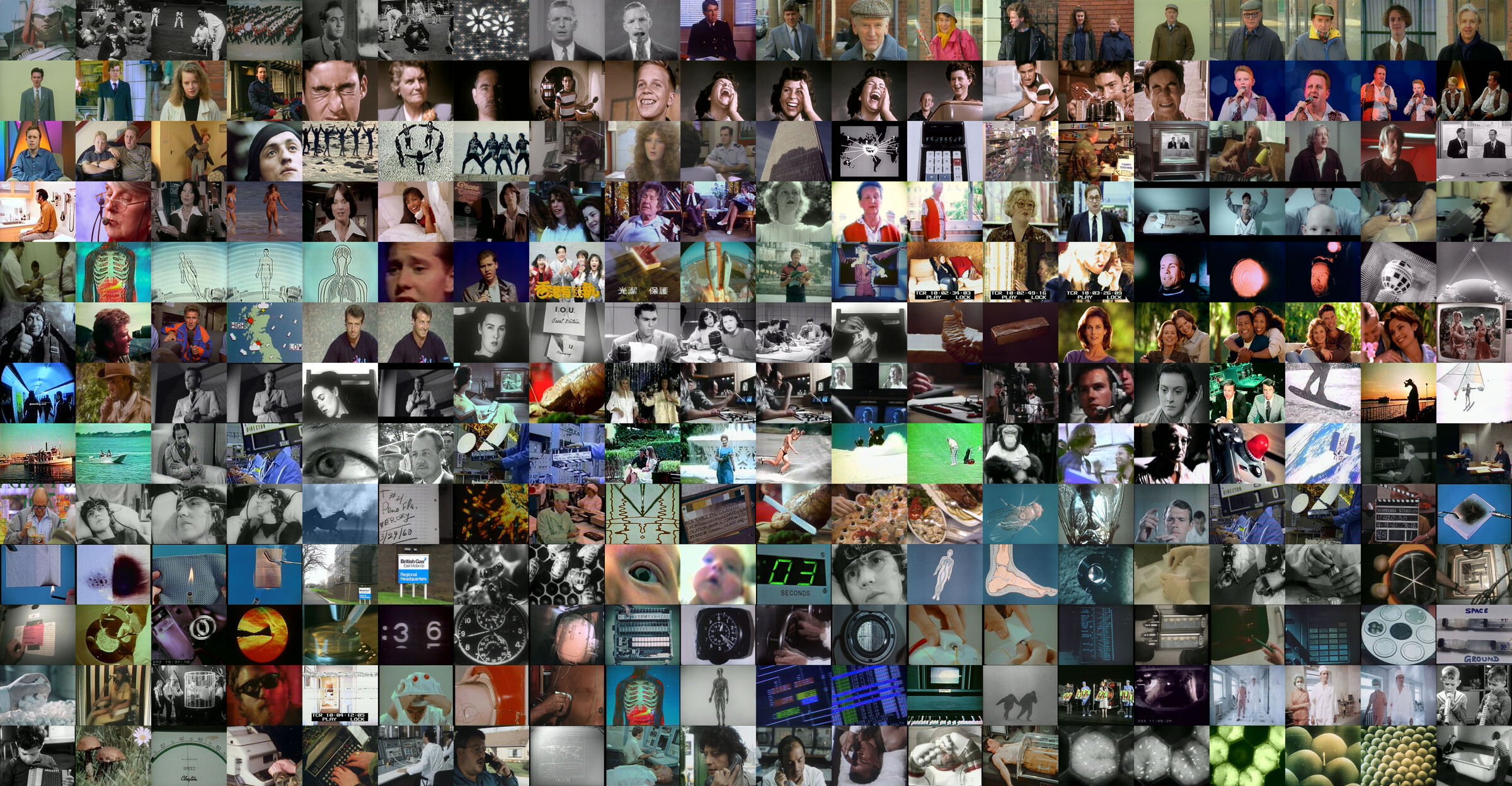
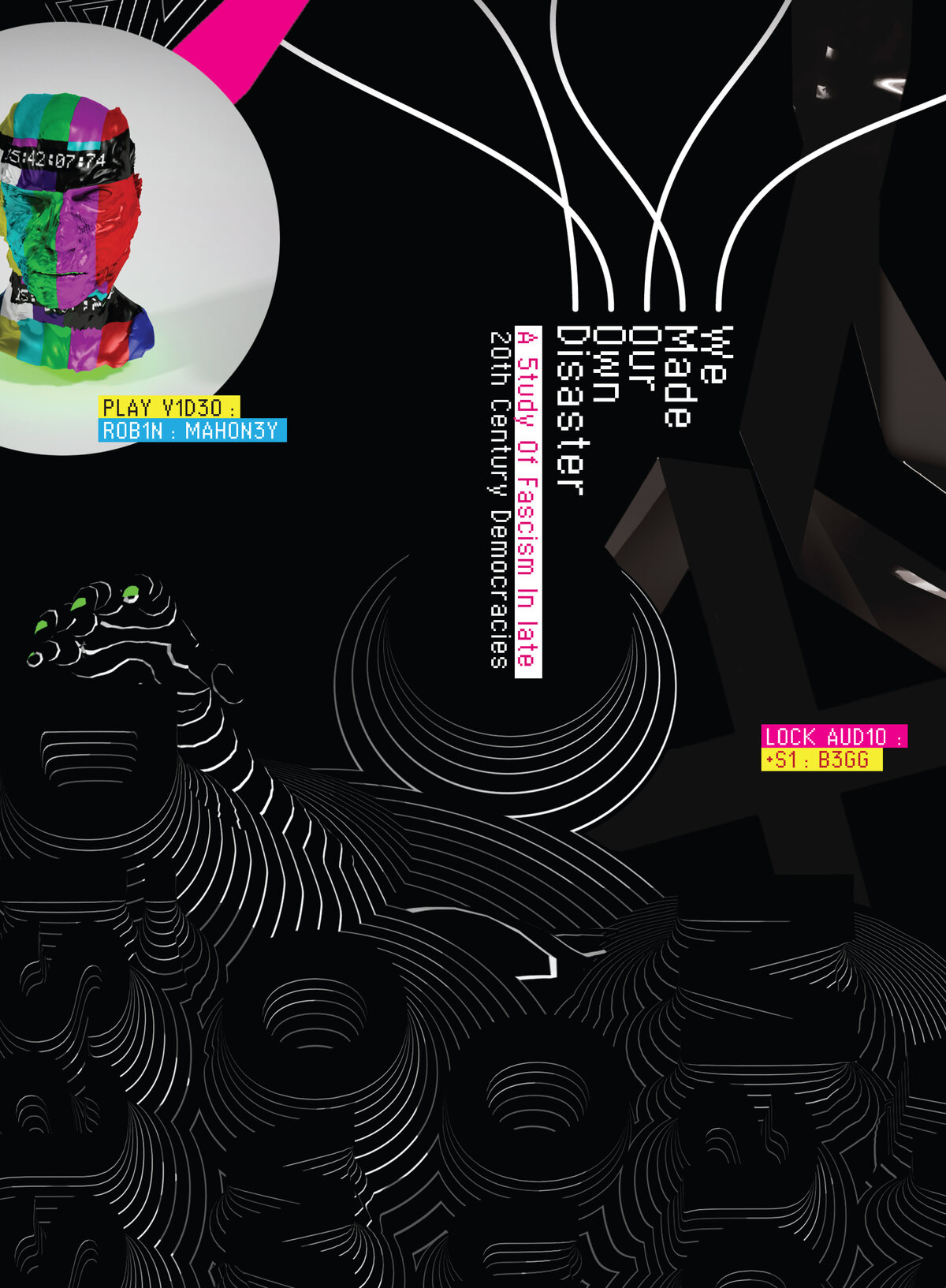
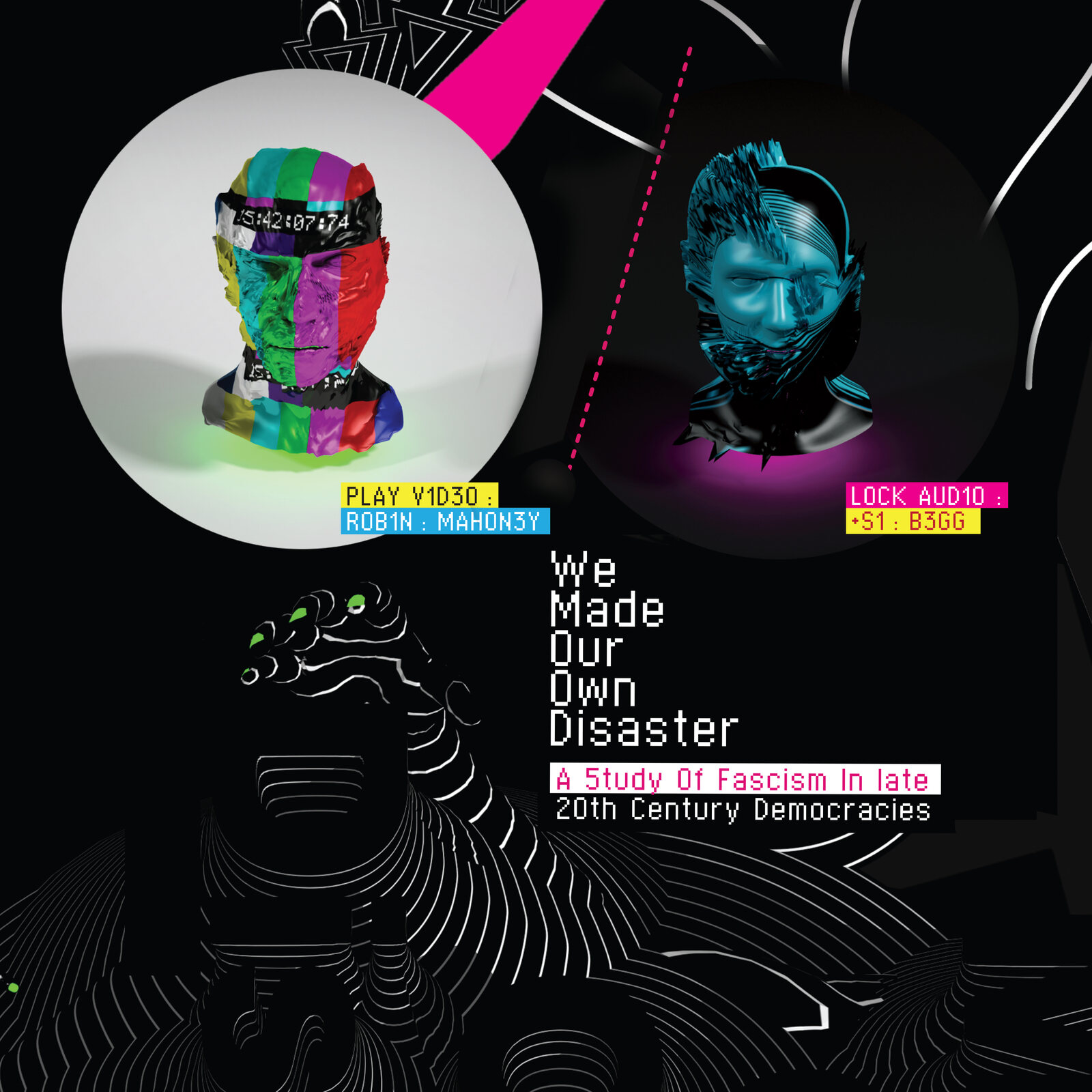
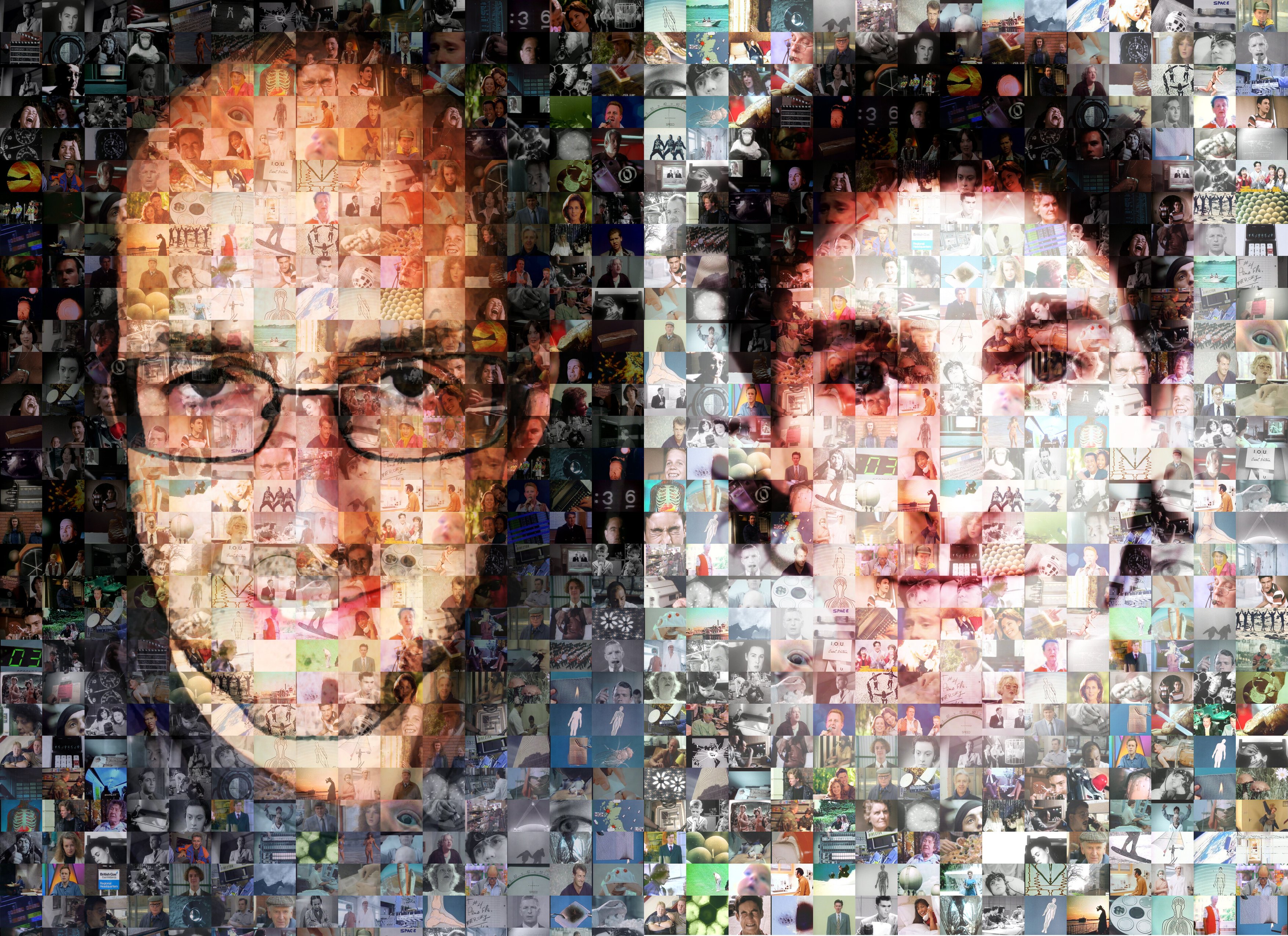
Frames from the film. Select any image for the full-size file.
Artwork
The artists
Robin Mahoney
Filmmaker, editor and occasional musician, based in Hackney. He directed, produced, shot and edited Glastonbury The Movie, the first British feature funded by the National Lottery through the BFI. Its 4K 30th Anniversary Cut returned to UK cinemas in 2026. He produced and cut Mike Sarne's The Punk, edited the Channel 4 experimental music show The Trip, and has been creative director and producer of chart-topping music DVDs for Basement Jaxx, The Prodigy, Pixies, The White Stripes, Dizzee Rascal and Electric Six. In 2010, the year of this release, he produced and edited the feature film Sus. More work.
Si Begg
Electronic producer and DJ who defies neat categorisation. A restless experimenter with little respect for musical boundaries, he has recorded as a solo artist since the mid-nineties and has worked as a live sound and studio engineer. He runs two labels: Mosquito, with techno artist Christian Vogel, and Noodles, on his own. He has released albums, EPs, 12-inches and remixes on Novamute, Tresor, Ntone, Eukatech, Language and Chrome, under a plethora of names including Buckfunk 3000, Cabbage Boy, Bigfoot, Dr Nowhere vs The Maverick DJ and S.I. Futures. His music for television commercials includes LG, L'Oréal and Ford.
Optronica and Addictive TV
Optronica, a hybrid of “optical” and “electronica”, was the name coined by London audiovisual artists Addictive TV to promote work that fuses picture and sound. It began as a festival, with sell-out events at BFI Southbank and the London IMAX in 2005 and 2007, staged with the British Film Institute. It became a label. We Made Our Own Disaster was one of its full-length DVD albums, executive produced by Addictive TV producer and festival director Nick Clarke, released through PIAS UK with backing from NESTA.
Addictive TV are known for their live AV shows and for official remixes of films including Take The Lead, Fast & Furious, Iron Man and Slumdog Millionaire.
The 2010 press release
From the original Optronica press pack, September 2010. Lightly corrected.
On Demand TV Killed The Video Star
Conditions of democracy continue to be discussed for various parts of the world. The post-war media-age period in Europe, with some of the most dramatic breakdowns of democratic systems, provides an interesting “laboratory” for systematic investigation in this respect. This DVD summarises the major findings of a large international research project covering a broad range of media sources. It presents and discusses broader social structural, political cultural, social and institutional conditions of democracy against which the impact of the world multimedia takeover of the late 1960s to 1990s, the respective social and electoral reactions, the political moves of major actors and the final survival or breakdown of parliamentary regimes are assessed. It employs both macro-quantitative and macro-qualitative methods in a cross-sectional and, as far as possible, longitudinal manner. The results point to interesting applications for the present situation in Great Britain and elsewhere.
The DVD has been researched and assembled for The Noodles Foundation by filmmaker Robin Mahoney and musician Si Begg.
The mock abstract borrows the voice, and much of the wording, of the publisher's description of a real political science study of democracy in interwar Europe. The interwar years became the media age. The rest was left standing.
A unique DVD album by Robin Mahoney and Si Begg
In today's world of YouTube, iPads and mobile video, digital technology drives the once separate worlds of music and image ever closer together. A new generation of artists is combining electronic music, film, experimental video, graphics and animation, visual music, sampling and remixing to create new audiovisual work. The Chemical Brothers have released an album as a DVD. Gorillaz are exploring a similar path with their live multimedia shows. But what to call this genre?
We Made Our Own Disaster is the debut audiovisual album from Robin Mahoney and Si Begg. Long-time Noodles Foundation collaborators, filmmaker Robin Mahoney (Glastonbury The Movie) and electronic dance music DJ and producer Si Begg team up for a typically humorous and eclectic odyssey of electronica, retro video cut-up and observational filmmaking, subtitled A Study of Fascism in Late 20th Century Democracies. With full surround and stereo sound.
Credits
| Created by | Robin Mahoney and Si Begg |
|---|---|
| Picture and edit | Robin Mahoney |
| Music and sound | Si Begg |
| Executive producer | Nick Clarke, Addictive TV |
| For | The Noodles Foundation |
| Label | Optronica |
| Distribution | PIAS UK |
| Supported by | NESTA, the National Endowment for Science, Technology and the Arts |
| Production | Mensch Films |
| Format | DVD-Video, DVD5, PAL 4:3 |
| Sound | Dolby 5.1 and stereo |
| Running time | 66 minutes |
| Certificate | E (exempt) |
| Released | September 2010. UK retail, 25 October 2010 |
Downloads
High-resolution files for press use. Please credit “We Made Our Own Disaster, Robin Mahoney and Si Begg / Optronica”.
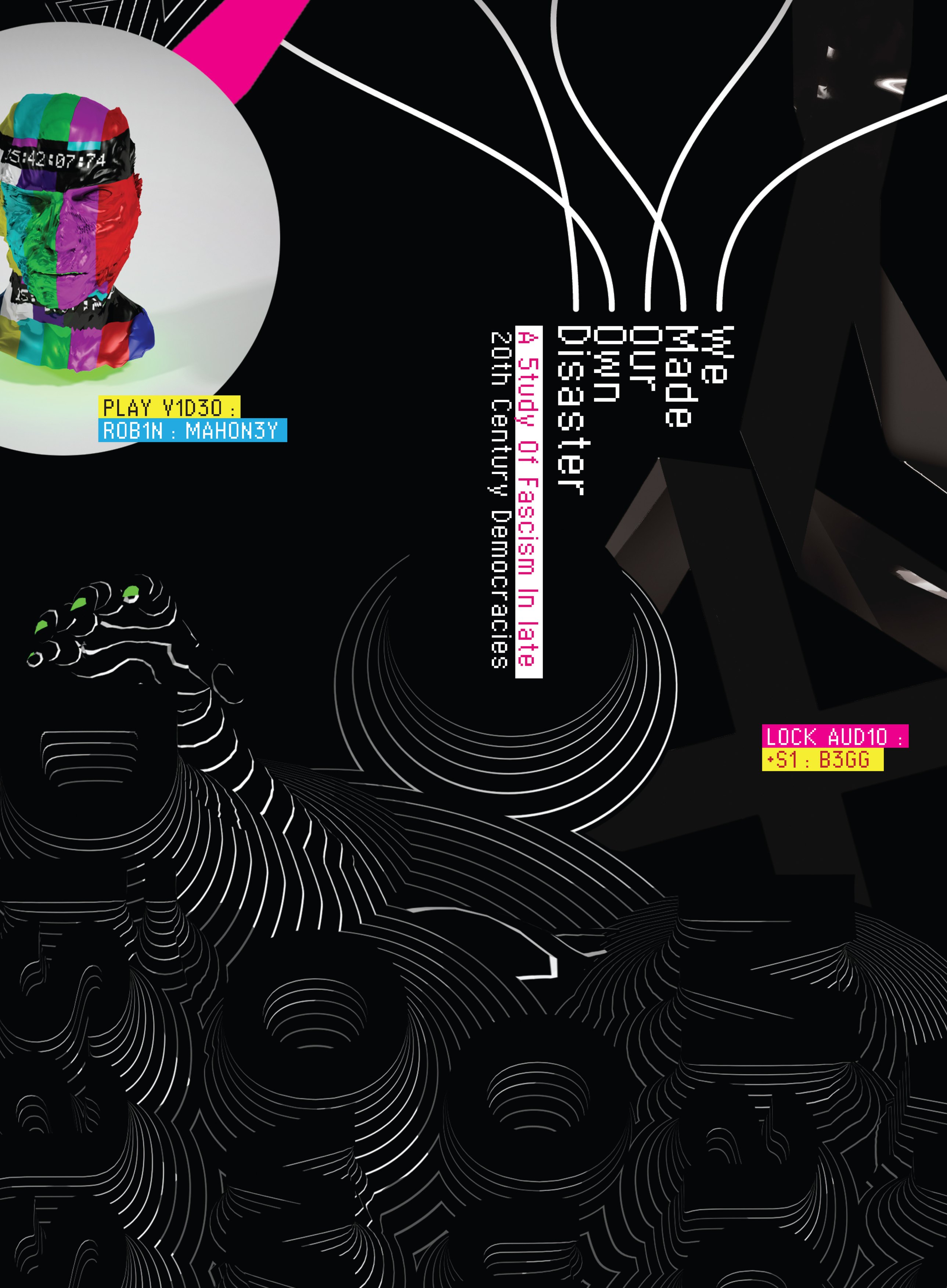
- DVD packshotJPEG, 2578 × 3508, 300 dpi, 660 KB
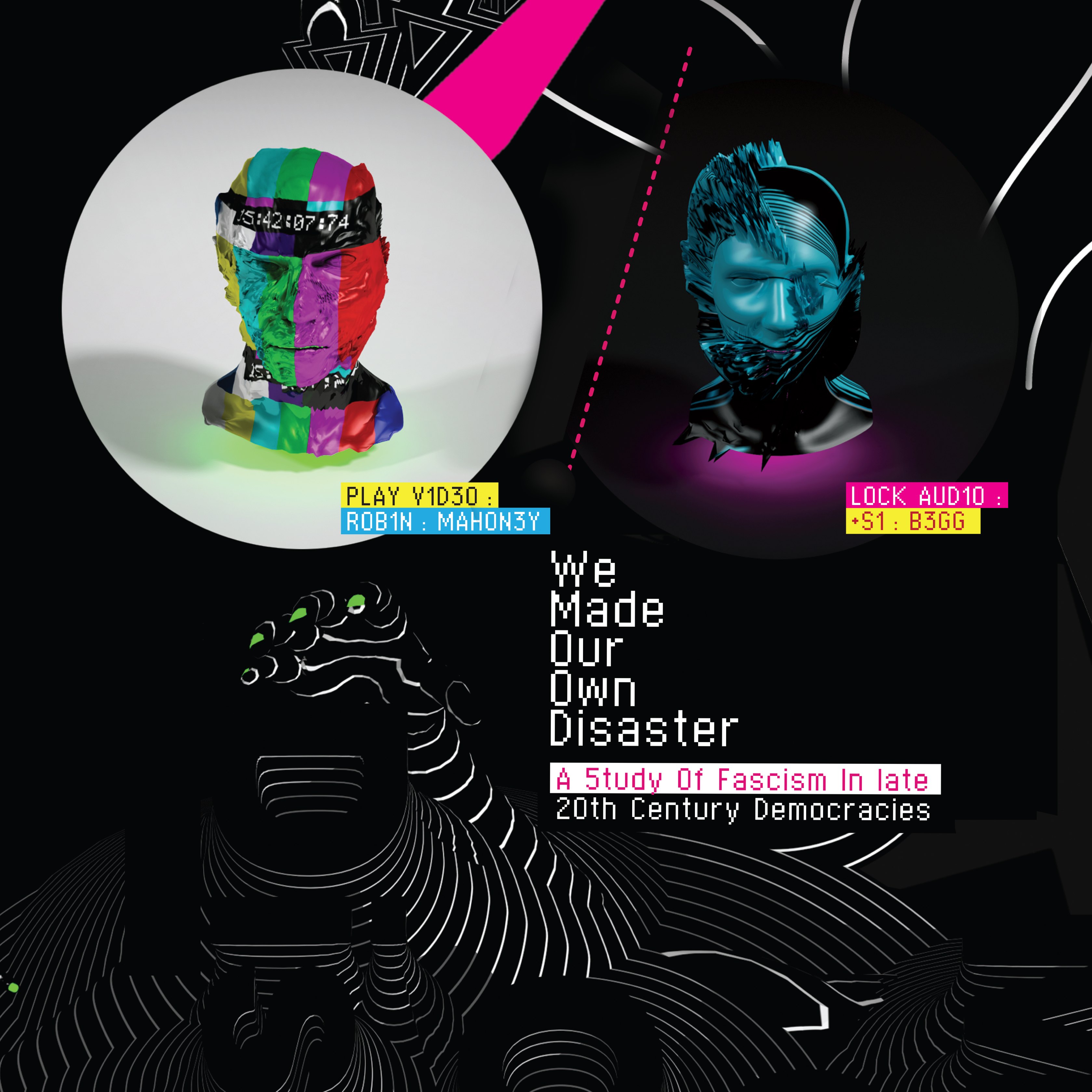
- Square key artJPEG, 3358 × 3358, 300 dpi, 730 KB
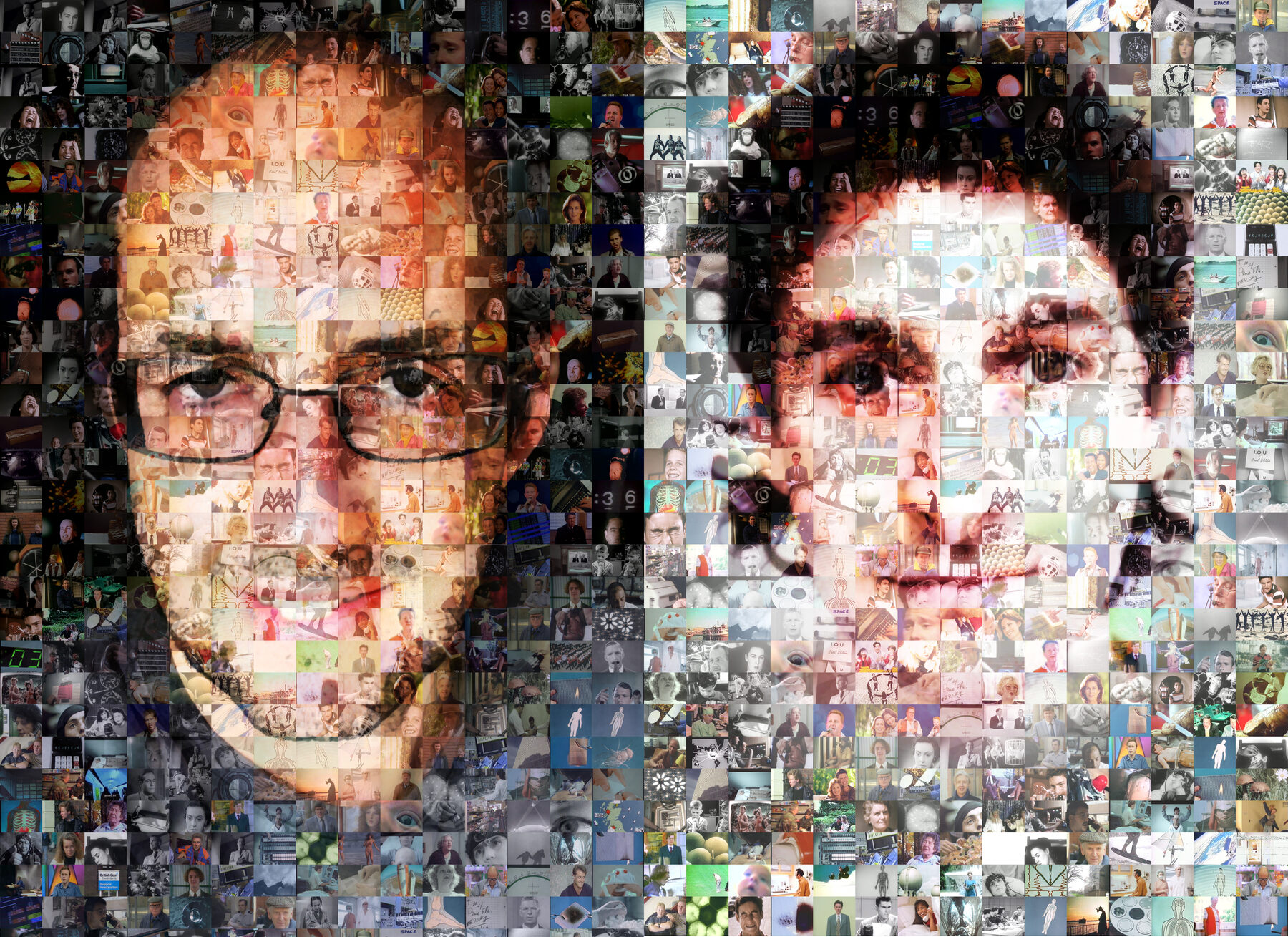
- Robin Mahoney and Si Begg, photomosaic portraitJPEG, 3508 × 2550, 300 dpi, 2.1 MB
- Frame grid, 260 stillsJPEG, 5400 × 2808, 300 dpi, 3.1 MB
Contact
Screenings, festival programming, licensing and press: hello (at) menschfilms (dot) com