Sus
Election night, 1979. For one man the result is already in.
Trailer. The full film is available for screenings on request.
Election night, 3 May 1979. Margaret Thatcher is about to take power. In an East London police station, Leon Delroy is held on suspicion of murdering his pregnant wife. Two detectives, high on the prospect of a Tory victory, want a quick confession. Delroy does not yet know his wife is dead. The night has only just begun.
Barrie Keeffe, writer of The Long Good Friday, wrote Sus as Thatcher entered Number 10. He based it on a case he had covered as a young reporter. Thirty years later he adapted it for the screen with director Robert Heath. Clint Dyer plays Delroy. Ralph Brown and Rafe Spall are DS Karn and DC Wilby.
The team first met to plan the film on 3 May 2009, thirty years to the day after the night it depicts. It was shot in ten days in CinemaScope at Elstree Studios and on location in East London. It premiered at the East End Film Festival in April 2010 and opened in UK cinemas on 7 May, the day after the general election. The date was the point. Thirty-one years on, Britain was voting for a change of government again, and the film asks what that moment means inside a police station. Two election nights
The film had its UK network television premiere on BBC Two in 2011. It was revived on BBC iPlayer, where it featured in the Films section from 2021 to 2024.
A Thin Film Productions, Mensch Films and 3rd Eye Films production. Edited and co-produced by Robin Mahoney. Released in UK cinemas by Independent.
Press room: reviews, interviews and stills
Screenings, licensing and press enquiries: Email us
“On stage it was disturbing. On film it’s devastating.”
Bob Hoskins
“Highly-charged, socially conscious drama like this is not just welcome but necessary.”
New York Times
“Speaks a truth that will shock to the core.”
Baz Bamigboye, Daily Mail
“Intense and gripping, with terrific performances from all three actors.”
David Gritten, Daily Telegraph
“A smashing piece of drama that translates very well to the screen and holds you riveted to the end.”
Derek Malcolm, Evening Standard ★★★★
“Simply one of the best British made films I have ever seen.”
Dan Carrier, Camden New Journal ★★★★★
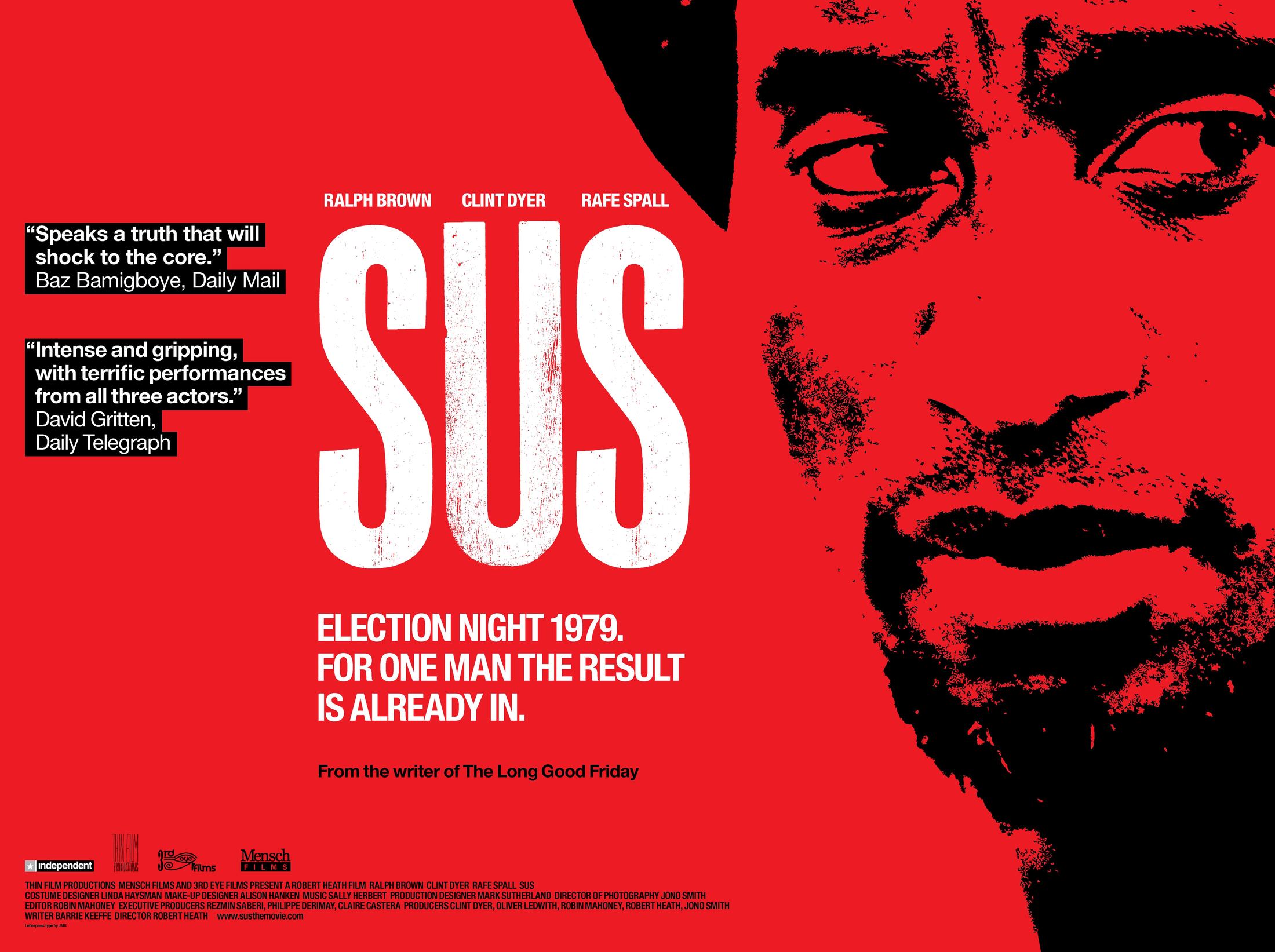
| Director | Robert Heath |
|---|---|
| Writer | Barrie Keeffe, from his stage play |
| Cast | Ralph Brown, Clint Dyer, Rafe Spall, Anjela Lauren Smith |
| Director of photography | Jono Smith |
| Editor | Robin Mahoney |
| Production designer | Mark Sutherland |
| Music | Sally Herbert. Additional music by Goldie |
| Producers | Robert Heath, Clint Dyer, Robin Mahoney, Jono Smith, Oliver Ledwith |
| Executive producers | Rezmin Saberi, Philippe Derimay, Claire Castera |
| Production | Thin Film Productions, Mensch Films, 3rd Eye Films |
| Format | CinemaScope, shot on RED |
| Certificate | 15 |
| Released | UK, 7 May 2010 |
Two election nights
On 3 May 1979 the Conservatives won a majority of 43 and Margaret Thatcher became prime minister. The swing from Labour was the largest since 1945, and the BBC called it a landslide. Sus takes place in the hours that delivered it. In an East London station, two detectives follow the count and take the result as permission.
The law they use was real. Under section 4 of the Vagrancy Act 1824, police could arrest a “suspected person” on the word of two officers. It fell hardest on young black men. The Scrap Sus campaign fought it, and it was repealed in August 1981, four months after the Brixton riots. Barrie Keeffe believed the play played its part.
Thirty-one years later Britain voted again, on 6 May 2010. After thirteen years of Labour government, a Conservative return was widely expected. The film was set to open the next day, so that audiences would watch 1979 with the 2010 result still fresh.
The parallels were close. In January 2010 the European Court of Human Rights ruled that stop and search without suspicion, under Section 44 of the Terrorism Act 2000, was unlawful. In March the Equality and Human Rights Commission reported that black people were at least six times more likely than white people to be stopped and searched. Two years earlier David Cameron, then leader of the opposition, had proposed widening police powers to stop and search. Keeffe said the play was “still hitting a nerve”.
The 2010 vote did not repeat 1979. It produced a hung parliament, and five days later David Cameron formed a coalition with the Liberal Democrats. The question the film was made to ask still stood: what a change of power means for the man in the cell.
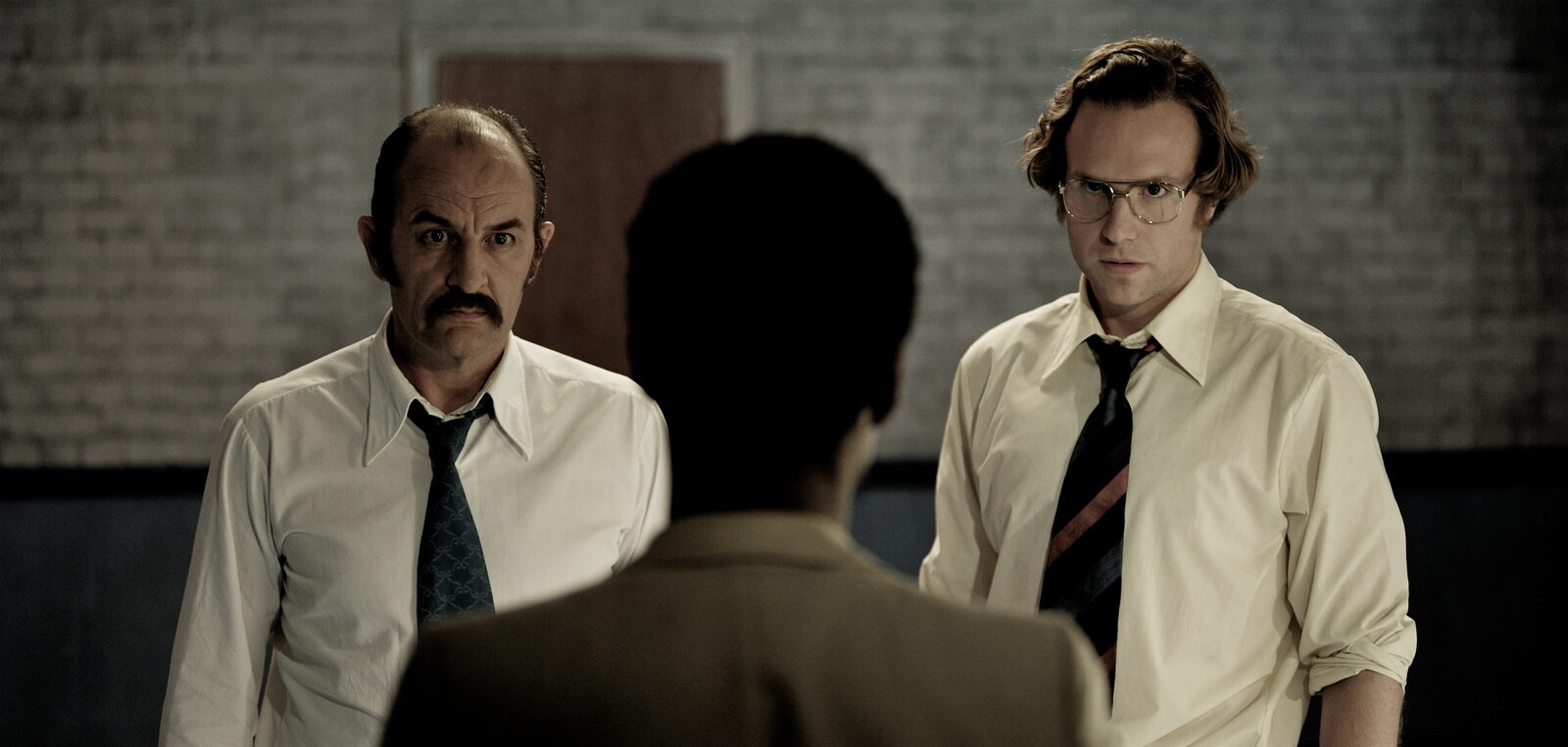
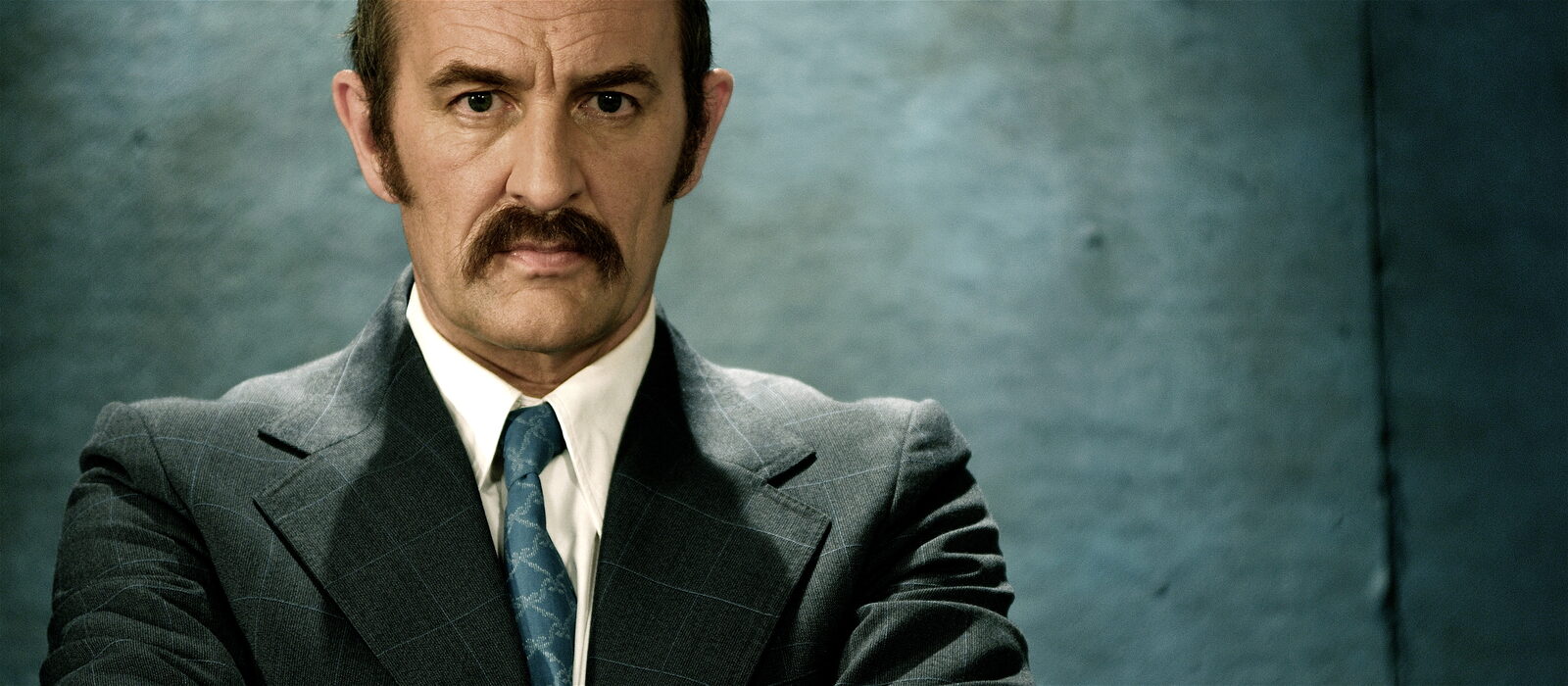
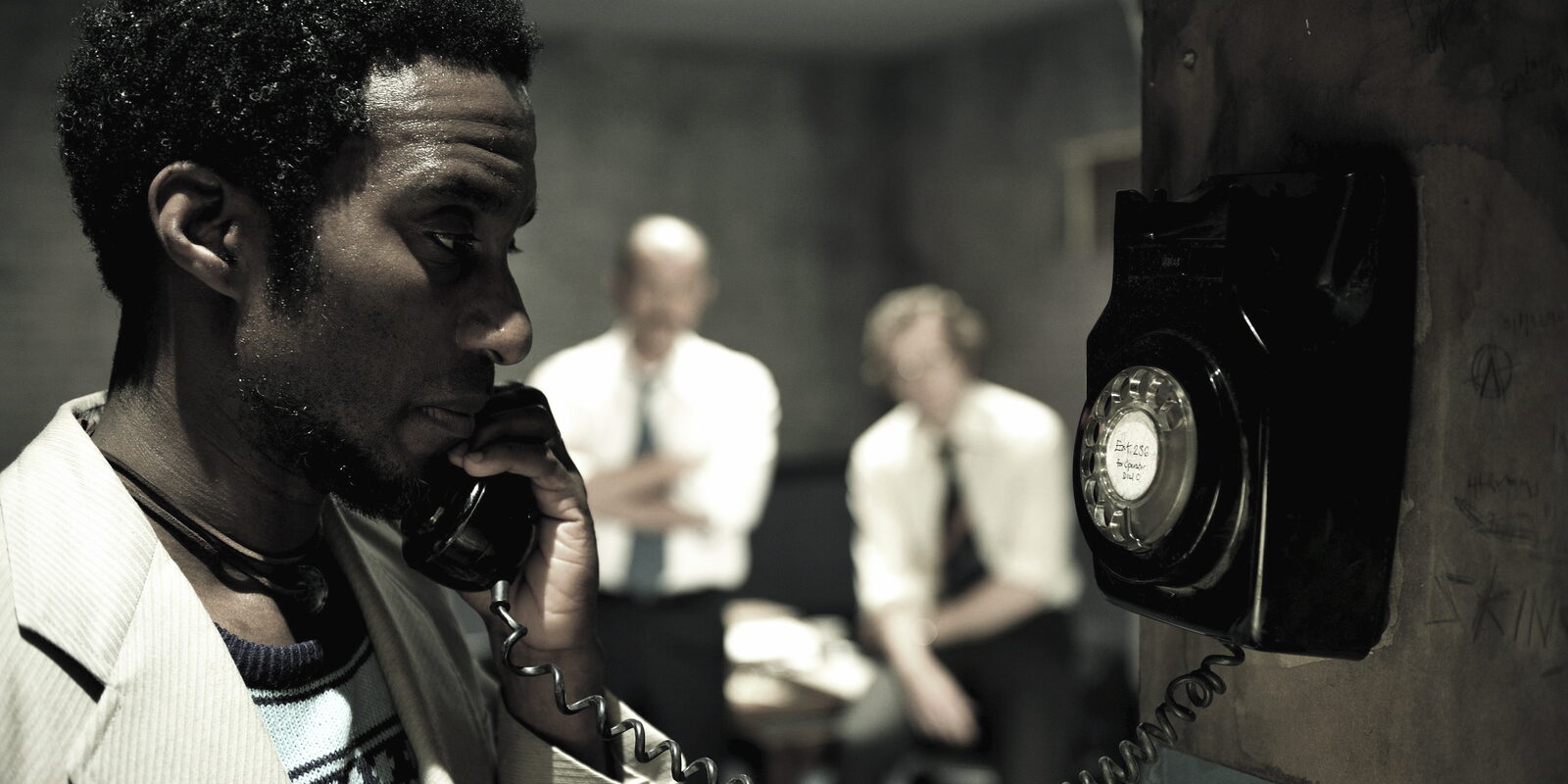
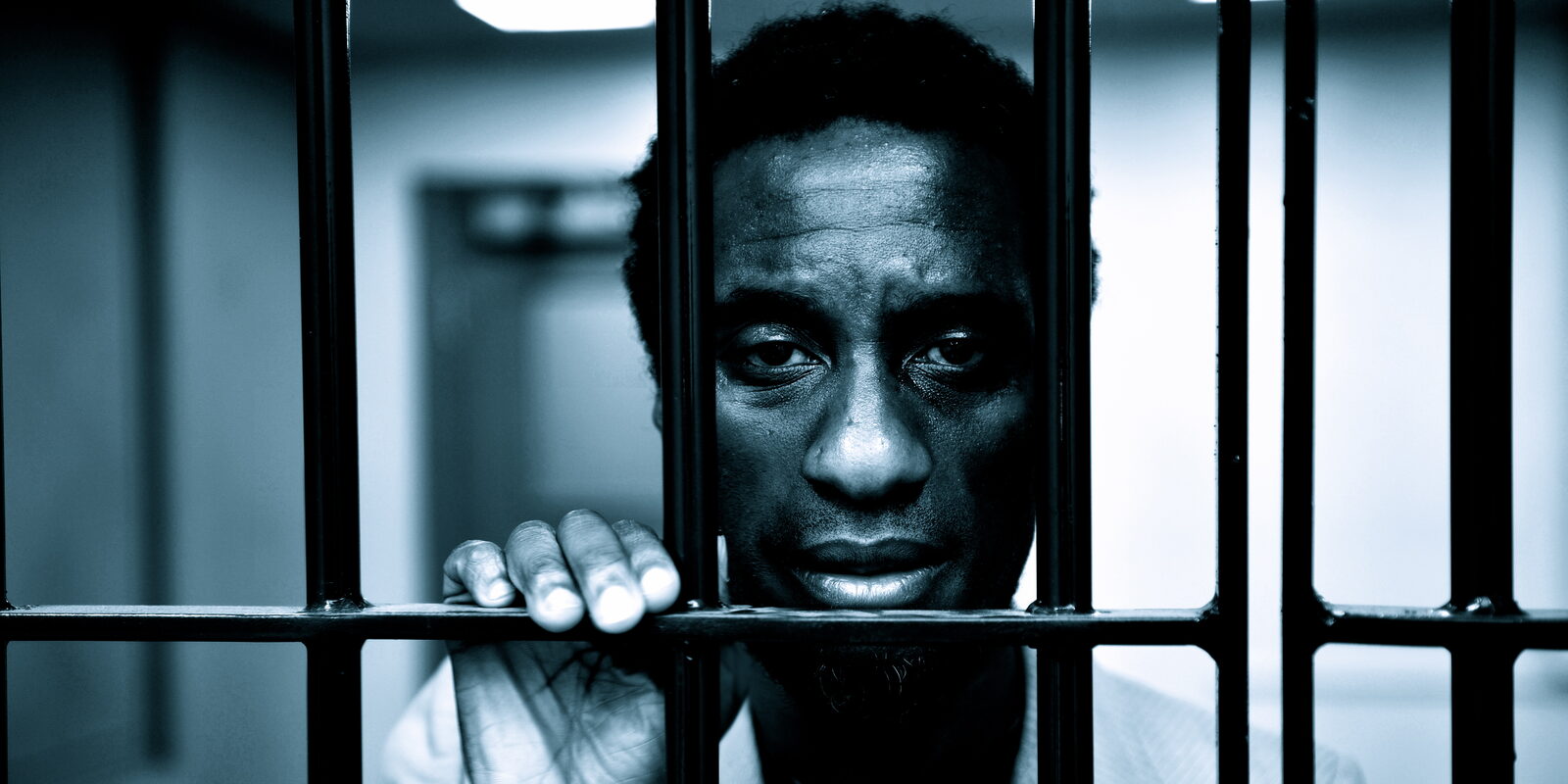
Production stills by Alex Winn. Elstree Studios, summer 2009.